Spunlace nonwoven fabric, also known as hydroentangled nonwoven, is produced by directing fine, high-pressure water jets onto a loose fiber web. The jets entangle the fibers mechanically, so the cloth is bonded without adhesive, resin or heat sealing. The finished fabric is soft, flexible and uniform, with a clean, cloth-like surface.
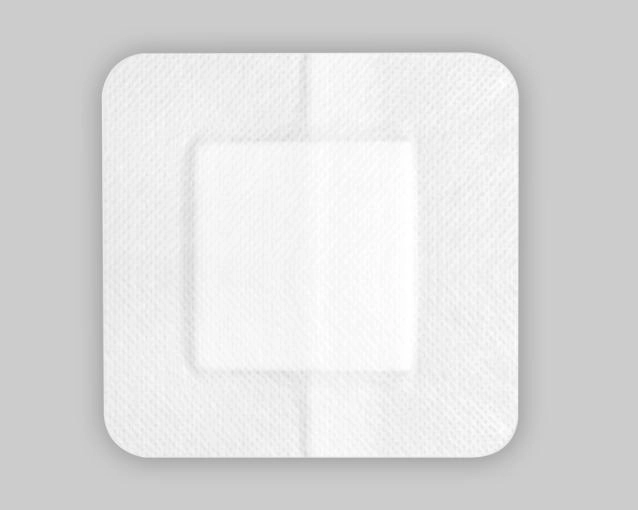
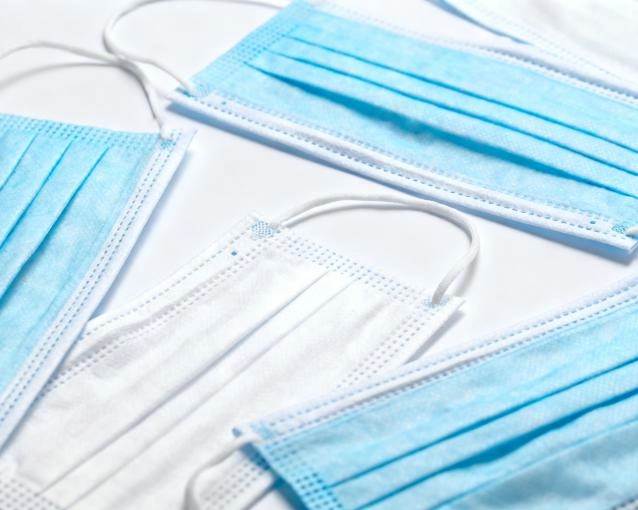
Because the structure contains no chemical binder, spunlace is well suited to products that sit close to the skin or touch it for long periods. In healthcare it is widely used for medical nonwoven products such as wound dressings, and it also serves protective face masks.
Fiber type, basis weight, width and surface pattern can all be adjusted, so one process can deliver very different performance, from fluid absorption to filtration support.
A 70% viscose / 30% polyester (PET) blend gives an effective balance of high absorbency from the viscose and strength from the polyester. This matters for dressings that must stay intact while wound exudate is released.
A consistent web with very little fiber shedding keeps the wound area clean.
The fabric holds together under moisture, pressure and movement.
Suitable for standard sterilization methods used in dressing production.
Low allergenic potential and non-irritating on sensitive skin.
Quickly absorbs and manages wound exudate.
Allows air flow and follows body contours comfortably.
No fiber shedding, gentle contact with the skin and no residue on removal.
An ultra-soft, lightweight and uniform fabric that supports a filtering structure while staying comfortable on the face.
An even, light fabric that feels pleasant against the face.
Supports efficient filtration with easy breathing.
Low allergenic potential, suitable for long wearing time.
Effective filtration balanced with breathability and comfort.
Keeps its structure even in humid conditions.
|
|
|
Material: 100% Purified Fiber (Viscose, Polyester, or blends)
Purified fibers keep the cloth clean and consistent. Viscose provides absorbency, and polyester provides strength.
Material: 100% Polyester Spunlace Nonwoven
Polyester resists moisture and holds its shape, which supports stable, comfortable masks.
Every medical or protective product has its own performance target. We adapt the fabric to it, from fiber ratio to roll size. Contact us to discuss your requirements.
Aojia is a leading spunlace nonwoven manufacturer. With two fully integrated, high-precision spunlace production lines (3.5 m working width), we deliver 14,000 metric tons per year of premium nonwovens engineered for medical, hygiene, industrial and sustainable textile applications.
Credentials are listed under Patent & Certificates, and the product range shows the fibers we run.
It is a nonwoven formed by entangling fibers with high-pressure water jets, with no adhesive involved. The result is a soft, strong, low-lint cloth.
It combines fast fluid absorption, low linting, wet strength and a gentle skin feel, so the dressing stays intact and leaves no fibers in the wound area.
A 70% viscose / 30% polyester blend is a common balance, with viscose giving absorbency and polyester giving strength. Other ratios can be developed for specific designs.
It is compatible with standard sterilization methods. The method used and its validation remain the responsibility of the finished-product manufacturer, so please share your process so we can recommend a suitable specification.
The binder-free, smooth surface has low allergenic potential and is non-irritating on sensitive skin, and low linting means no residue after removal.
100% polyester spunlace nonwoven. It is soft, light and uniform, keeps its shape in humid conditions and supports comfortable, breathable masks.
In most mask designs, spunlace forms the soft, strong layer next to the face or outer surface, while the filtration performance depends on the complete layered structure. Please contact us to match the fabric to your design and the standard you target.
Yes. A low-allergenic, soft and lightweight cloth reduces pressure and irritation, which is important for extended wear.
Send your application and target specification through our contact page, or browse updates in our news section.
We have 2 advanced spunlace production lines: one for high-quality products, the other for new product R&D and production. With one-stop services, we independently control production requirements, boasting advantages in cost, quality control and product diversification.
We develop products with special specs and uses based on user and market needs, while providing optimal service and support. We also offer custom production with special processes as required, including water repellency, flame retardancy, anti-aging, anti-static, anti-bacterial, anti-ultraviolet and special composite properties.